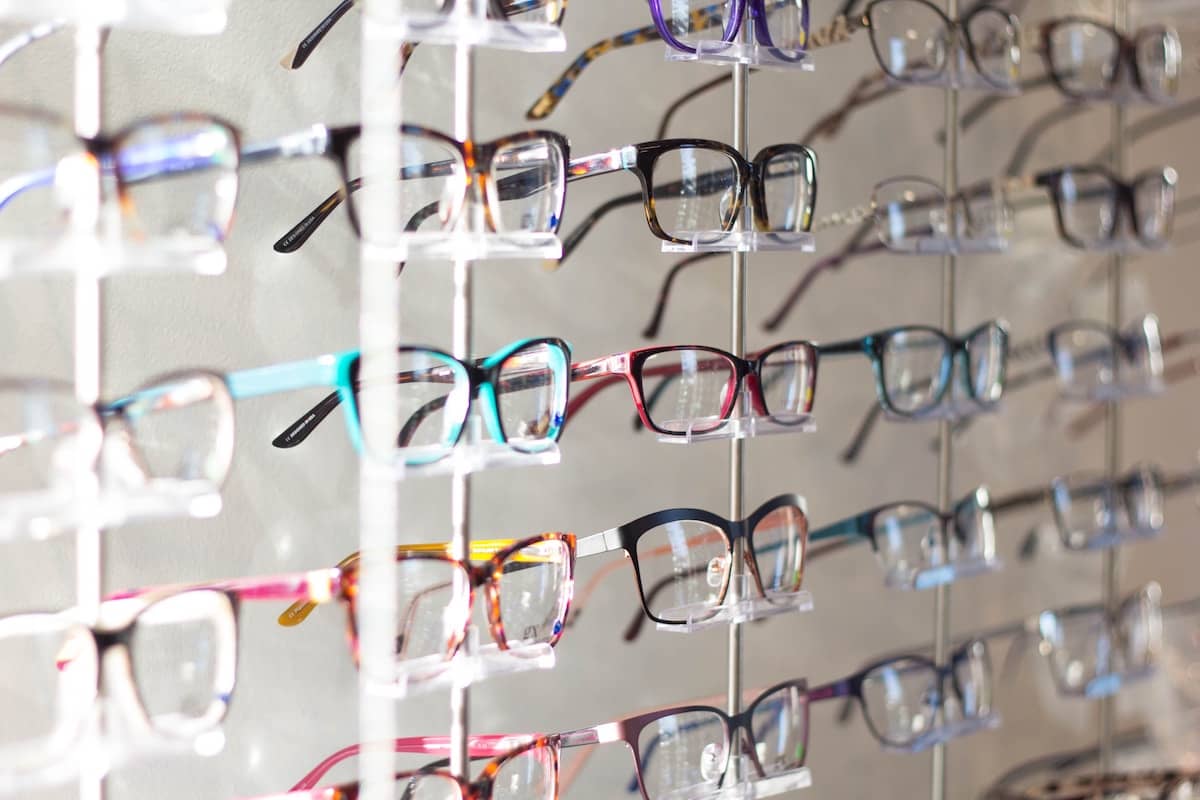
Dry Eye Treatment in San Antonio
Advanced Care at Sitterle Vision Source & Dry Eye Center
Dry eye disease is one of the most common eye conditions affecting adults today. Millions of people experience symptoms such as burning, irritation, watery eyes, and fluctuating vision, yet many do not realize these symptoms may be caused by an unstable tear film.
At Sitterle Vision Source & Dry Eye Center in San Antonio, we focus on diagnosing and treating the underlying causes of dry eye disease, rather than simply masking symptoms. Using advanced diagnostic technology and modern treatments, we help patients restore tear film stability and achieve lasting eye comfort.
Dry eye symptoms can affect many aspects of daily life, including computer use, reading, driving, and time spent outdoors. With proper diagnosis and treatment, many patients experience significant improvement in both eye comfort and visual clarity.
What Is Dry Eye Disease?
Dry eye disease occurs when the tear film that protects the surface of the eye becomes unstable or insufficient.
A healthy tear film contains three important layers:
- Oil layer – prevents tears from evaporating too quickly
- Water layer – hydrates the surface of the eye
- Mucin layer – helps tears spread evenly across the eye
When these layers become imbalanced, the tear film breaks down and the surface of the eye becomes irritated. Over time this irritation can lead to inflammation and worsening symptoms.
The most common cause of dry eye disease is Meibomian Gland Dysfunction (MGD), a condition that affects the oil-producing glands in the eyelids.
Common Symptoms of Dry Eye
Dry eye symptoms can vary from person to person and may fluctuate throughout the day.
Common symptoms include:
- burning or stinging eyes
- gritty or sandy sensation
- watery eyes
- redness
- blurry or fluctuating vision
- light sensitivity
- eye fatigue
Many patients are surprised to learn that excessive tearing can actually be a sign of dry eye, as the eye produces reflex tears in response to irritation.
Learn more about common symptoms:
What Causes Dry Eye?
Dry eye disease can develop for several reasons. Identifying the underlying cause is an important part of creating an effective treatment plan.
The most common cause of dry eye is Meibomian Gland Dysfunction (MGD). When the oil glands in the eyelids become blocked or inflamed, the tear film loses its protective oil layer and tears evaporate too quickly.
Eyelid Inflammation
Conditions such as blepharitis and ocular rosacea can cause inflammation along the eyelid margins and contribute to tear film instability.
Reduced Tear Production
Some patients develop aqueous-deficient dry eye, meaning their eyes do not produce enough tears to maintain proper lubrication.
Environmental and Lifestyle Factors
Dry eye symptoms may also be worsened by:
- prolonged screen use
- dry climates
- air conditioning
- wind exposure
- certain medications
Understanding the underlying cause helps determine the most effective treatment approach.
Diagnosing Dry Eye Disease
A comprehensive eye examination is essential for determining the cause and severity of dry eye disease.
During your dry eye evaluation at Sitterle Vision Source & Dry Eye Center, our doctors assess several factors that affect tear film health, including:
- tear film stability
- meibomian gland function
- eyelid inflammation
- ocular surface health
These diagnostic tests help determine whether symptoms are related to meibomian gland dysfunction, inflammation, tear deficiency, or a combination of factors.
Once the cause is identified, we develop a treatment plan tailored to your specific needs.
Advanced Dry Eye Treatments
Modern dry eye care focuses on treating the underlying causes of the condition. Our dry eye center offers several advanced therapies designed to improve tear film stability and restore ocular surface health.
Intense Pulsed Light therapy is commonly used to treat meibomian gland dysfunction and ocular rosacea, two leading causes of dry eye disease.
IPL therapy works by reducing inflammation around the eyelids and improving the function of the oil glands that stabilize the tear film.
Radiofrequency treatment gently warms the eyelids to soften thickened oils trapped in the meibomian glands. This helps restore normal oil secretion and improve tear film stability.
Low Level Light Therapy (LLLT)
Low Level Light Therapy, also known as red light therapy, uses therapeutic LED light to reduce inflammation and support healthier gland function.
For patients with severe ocular surface inflammation, treatments such as Prokera or cryopreserved amniotic membrane therapy may be recommended to promote healing and protect the cornea.
Patients with reduced tear production may benefit from treatments designed to retain natural tears on the surface of the eye, including:
- punctal plugs
- Lacrifill tear duct therapy
Lifestyle and Home Care
In addition to medical treatments, lifestyle adjustments may help improve dry eye symptoms.
Helpful strategies include:
- taking breaks during screen use
- maintaining eyelid hygiene
- using warm compress therapy
- staying hydrated
- using recommended artificial tears
Combining home care with medical treatments often provides the most effective relief.
When to Seek Treatment for Dry Eye
You should schedule a dry eye evaluation if symptoms:
- occur frequently
- worsen over time
- interfere with daily activities
- affect your vision
- do not improve with artificial tears
Untreated dry eye disease can lead to chronic inflammation and damage to the surface of the eye, making early diagnosis and treatment important.
Dry Eye Care in San Antonio
At San Antonio & Dry Eye Center, our doctors focus on identifying the root causes of dry eye disease and developing personalized treatment plans to restore long-term eye comfort.
Using modern diagnostic tools and advanced treatment options, we help patients achieve clearer, more comfortable vision.
FAQ About Dry Eye Disease
What is the most common cause of dry eye?
The most common cause of dry eye is meibomian gland dysfunction, which affects the oil glands that help stabilize the tear film.
Can dry eye affect vision?
Yes. Tear film instability can cause blurry or fluctuating vision that may temporarily improve with blinking.
Do artificial tears cure dry eye?
Artificial tears can provide temporary relief but often do not address the underlying causes of dry eye disease.
What treatments are available for dry eye?
Treatment options may include therapies designed to improve gland function, reduce inflammation, and stabilize the tear film.
Schedule a Dry Eye Evaluation
If you experience burning, irritation, watery eyes, or fluctuating vision, a comprehensive dry eye evaluation can help determine the cause and the most effective treatment options.
Schedule an appointment at Sitterle Vision Source & Dry Eye Center in San Antonio to begin your path toward healthier, more comfortable eyes.
Shop for dry eye products by clicking on the banner below!
