
Meibomian Gland Dysfunction Treatment
At Sitterle Vision Source & Dry Eye Center in San Antonio, we focus on diagnosing and treating MGD using advanced technology and modern treatments designed to restore healthy tear film function.
If your eyes feel dry, irritated, watery, or gritty, the underlying cause may be Meibomian Gland Dysfunction (MGD).
Meibomian gland dysfunction is the leading cause of dry eye disease, affecting millions of people worldwide.
By treating the root cause of evaporative dry eye, we help patients experience lasting relief and improved eye comfort.
What Are the Meibomian Glands?
Meibomian glands are tiny oil-producing glands located along the edges of the eyelids.
Every time you blink, these glands release oil that spreads across the tear film.
This oil layer serves an essential purpose:
It prevents tears from evaporating too quickly.
A healthy tear film contains three layers:
- Oil layer – prevents tear evaporation
- Water layer – provides moisture and hydration
- Mucin layer – allows tears to spread evenly across the eye
When the meibomian glands become blocked or inflamed, the oil layer becomes unstable and tears evaporate rapidly.
This leads to a type of dry eye known as evaporative dry eye.
What Is Meibomian Gland Dysfunction?
Meibomian Gland Dysfunction occurs when the oil glands in the eyelids become blocked, inflamed, or stop producing healthy oil.
Over time, the oil inside the glands can become thickened and stagnant.
This prevents the glands from releasing the oils necessary to stabilize the tear film.
As a result, tears evaporate quickly and the eyes become irritated.
MGD is extremely common and is responsible for most cases of chronic dry eye disease.
Symptoms of Meibomian Gland Dysfunction
MGD symptoms often overlap with general dry eye symptoms.
Common signs include:
- Burning or stinging eyes
- Gritty or sandy sensation
- Red or irritated eyelids
- Blurry or fluctuating vision
- Excessive tearing
- Light sensitivity
- Eyelid inflammation
- Frequent styes or chalazia
Many patients notice that symptoms worsen when:
- using computers or phones
- reading
- driving
- being in dry or windy environments
Because MGD is progressive, symptoms often worsen over time without proper treatment.
What Causes MGD?
Several factors can contribute to meibomian gland dysfunction.
- Aging – Oil production in the glands naturally decreases with age.
- Digital Screen Use – Blinking decreases significantly during computer or phone use, which reduces oil release.
- Ocular Rosacea – Inflammatory skin conditions such as rosacea often affect the eyelids and oil glands.
- Blepharitis – Chronic eyelid inflammation can block the meibomian glands.
- Hormonal Changes – Hormones influence oil gland function, which is why dry eye is more common in women.
- Contact Lens Wear – Long-term contact lens wear may contribute to gland dysfunction.
How MGD Is Diagnosed
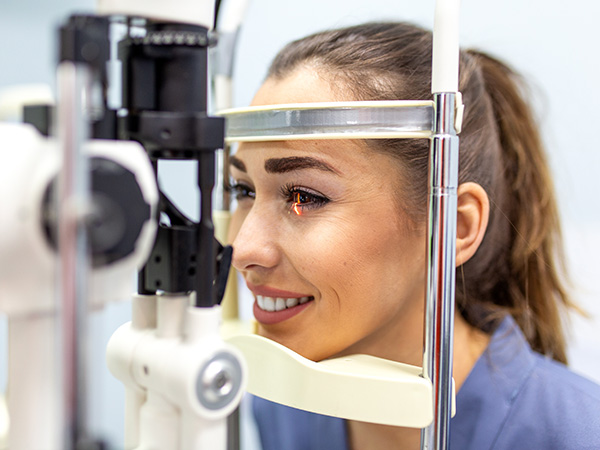
Diagnosing meibomian gland dysfunction requires a comprehensive dry eye evaluation.
During your exam, our doctors evaluate:
- eyelid gland structure
- tear film stability
- eyelid inflammation
- oil gland secretions
- ocular surface health
Advanced imaging can also allow us to visualize the structure and health of the meibomian glands.
This information helps determine the severity of gland dysfunction and the most effective treatment options.
Advanced Treatments for Meibomian Gland Dysfunction
At Sitterle Vision Source & Dry Eye Center, we offer several advanced treatments designed to restore healthy gland function.
When to See an Eye Doctor
You should consider a dry eye evaluation if you experience:
- chronic dry eye symptoms
- burning or gritty eyes
- fluctuating vision
- eyelid inflammation
- frequent styes
- difficulty wearing contact lenses
Many patients are surprised to learn that these symptoms are caused by treatable meibomian gland dysfunction.
FAQ About Meibomian Gland Dysfunction
Can MGD be cured?
MGD is often a chronic condition, but treatments can significantly improve gland function and reduce symptoms.
Is MGD the same as dry eye?
MGD is the most common cause of evaporative dry eye, but dry eye can also occur from reduced tear production.
How do I know if my glands are blocked?
A dry eye evaluation allows your doctor to examine gland function and determine whether MGD is present.
What is the best treatment for MGD?
The best treatment depends on the severity of the condition. Many patients benefit from therapies such as IPL, radiofrequency, or low level light therapy.
Schedule a Dry Eye Evaluation
If you are experiencing symptoms of meibomian gland dysfunction or chronic dry eye, specialized treatment may help restore healthier tear function.
Quick Links
Helpful Articles
All Eye Care Services
Find personalized eye care excellence with our comprehensive services. From eye exams to advanced diagnostics, trust us for all your vision needs.

Keep In Touch
For non-urgent questions or to learn more about our services, contact us today!

- 2950 Thousand Oaks #23
San Antonio, TX 78247 - Phone: (210) 490-9091
- Fax: (877) 259-0981
- Monday 8:00am - 7:00pm
- Tuesday 8:00am - 6:00pm
- Wednesday 8:00am - 6:00pm
- Thursday 8:00am - 7:00pm
- Friday 8:00am - 5:00pm
- Saturday 8:00am -1:00 pm
- Sunday Closed
- Monday
- Tuesday
- Wednesday
- Thursday
- Friday
- Saturday
- Sunday
- Monday
- Tuesday
- Wednesday
- Thursday
- Friday
- Saturday
- Sunday
© 2026 Sitterle Vision Source & Dry Eye Center. All rights Reserved - Accessibility Statement - Privacy Policy - Sitemap
Managed and Designed by 